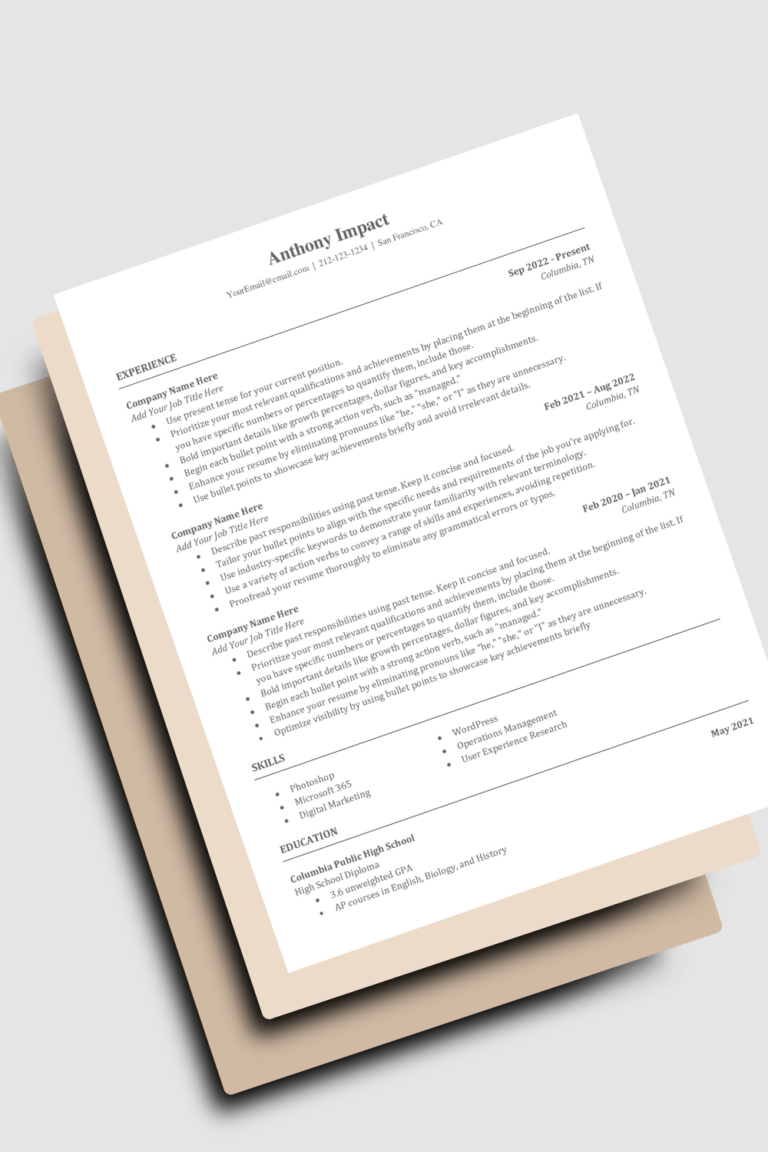
How to Explain Employment Gaps on Your Resume (Recruiter Advice for 2025)
Employment gaps are a common concern for job seekers, but they don’t have to hurt your chances as long as you explain them clearly and confidently.
As a recruiter, I see candidates with gaps for many reasons: layoffs, career changes, family responsibilities, education, health, or travel. What matters most is how you present the gap and what you accomplished during that time.
Here’s a step-by-step guide for handling employment gaps on your resume and in interviews.
Step 1: Don’t Hide the Gap
Trying to cover up employment gaps usually backfires. Recruiters can see inconsistencies in dates, and unexplained gaps raise more questions. Instead:
- Be honest
- Keep it professional
- Emphasize what you did during the gap
Step 2: Use Your Resume Strategically
There are a few ways to handle gaps on your resume:
Option 1: Functional Resume Format
- Focus on skills and accomplishments rather than strict chronological order
- Groups experience by function (e.g., Marketing, Sales, Operations)
- Minimizes emphasis on dates
Option 2: Include Gap Activities
- Add relevant experience during the gap:
- Freelance work
- Volunteer experience
- Continuing education or certifications
- Personal projects
Example:
Freelance Graphic Designer | Jan 2022 – Dec 2022
- Designed marketing materials for 5 small businesses, increasing social media engagement by 30%
- Built personal brand website to showcase portfolio
Option 3: Short-Term Gap Explanation
- If the gap is brief, you can mention it in parentheses:
“Marketing Specialist, ABC Corp | 2019–2021 (Took a 6-month sabbatical for professional development)”
Step 3: Be Honest in Your Cover Letter
A resume can’t tell the full story. Use your cover letter to frame the gap positively:
Example:
“After leaving my previous role in 2021, I took time to upskill in digital marketing and freelance design, gaining experience in client relations, content creation, and analytics. I am now ready to bring these enhanced skills to your team.”
Step 4: Prepare for Interview Questions
Employers will likely ask about gaps. Prepare a brief, confident explanation:
- State the reason concisely – family care, health, education, travel, etc.
- Highlight productive activities – courses, volunteering, freelance, certifications
- Refocus on the present – your skills, experience, and readiness for the role
Sample Answer:
“I took a year off to care for a family member and also completed a professional certification in project management. During that time, I strengthened my organizational and leadership skills, which I’m excited to apply to this role.”
Step 5: Don’t Apologize or Over-Explain
- Gaps happen to everyone
- Keep explanations professional and concise
- Focus on what you learned or accomplished rather than the gap itself
Step 6: Emphasize Continuous Learning
Gaps can be reframed as periods of growth:
- Online courses (LinkedIn Learning, Coursera, Udemy)
- Volunteer work
- Consulting or freelance projects
- Personal projects related to your career
These show initiative and professional development — which recruiters love.
Example Resume Gap Handling
| Resume Example | How to Explain |
|---|---|
| 2020–2021: Career Break | Took a planned career break to care for family while completing Google Analytics Certification. |
| 2019–2020: Freelance Consultant | Worked as freelance consultant in marketing, building social media campaigns for 3 clients. |
| 2021: Sabbatical | Personal development sabbatical, including online courses in Excel, Project Management, and UX Design. |
Final Recruiter Tips
- Be honest, professional, and brief
- Show growth or learning during the gap
- Use a functional resume format if gaps are long
- Practice a confident explanation for interviews
- Don’t dwell on the gap — focus on value you bring now
Handled correctly, employment gaps don’t have to hurt your chances they can even highlight your resilience, adaptability, and commitment to growth.